NEWS – Prof. David Alsteens

Prof. Alsteens LAB

NEWS

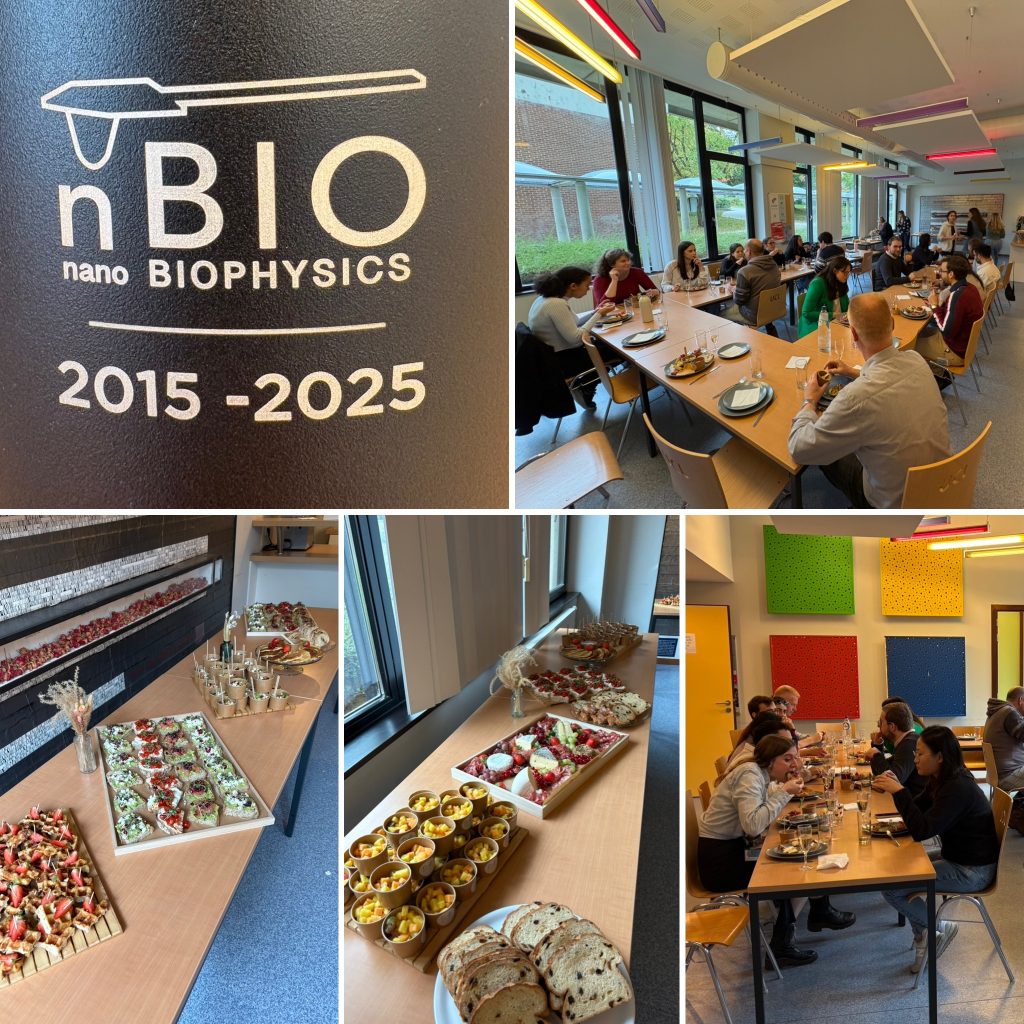
Ten years ago, I returned from ETH Zurich to launch my own research group thank to the FNRS… a small team with big ambitions to explore the fascinating world of molecular interactions at the single-molecule level.

A decade later, it’s incredible to look back at how far we’ve come. Over these years, I’ve had the privilege of working alongside many brilliant scientists… talented, curious, and creative minds who have shaped the identity and success of the lab. Today, many of them are shining in research institutes and companies all around the world, continuing to push the boundaries of science.

This milestone is not just about time, it’s about the journey, the discoveries, the challenges overcome, and the people who made it all possible.

Here’s to the past 10 years of curiosity, collaboration, and discovery… and to the exciting adventures still ahead!
Postdoc in Tumor-Immune Crosstalk and Signaling Dynamics

The NanoBiophysics Lab at UCLouvain is seeking a dynamic and motivated postdoctoral researcher to join a multidisciplinary team investigating tumor-immune system interactions through a biophysical lens. This project aims to understand how properties of the tumor microenvironment influence immune cell behavior, with a focus on immune receptor and downstream signalling protein recruitment in different biophysical contexts. The ultimate goal is to identify new therapeutic strategies to counteract tumor-induced immunosuppression.

The successful candidate will combine molecular biology, immunological assays, and cutting-edge biophysical techniques to explore how immune cells sense and respond to tumor-associated signals. The research will involve fluorescence-activated cell sorting (FACS),  confocal imaging and various biophysical techniques, to characterize immune phenotypes and their mechanical, structural, and molecular interactions within the tumor microenvironment.

Qualifications:

•    A PhD in molecular biology, immunology, cancer biology or a related field.
•    Hands-on experience with FACS and standard molecular biology techniques (e.g., PCR, ELISA, RNA sequencing).
•    A strong background in immunological assays and immune cell phenotyping.
•    Interest in biophysical methods 
•    Excellent organizational, analytical, and communication skills.

Please send your application including a cover letter explaining your background, a CV and names and contact details of 2-3 references by E-mail

A big thank you for this visit and for sharing your knowledge with us! Looking forward to future discussions and collaborations.

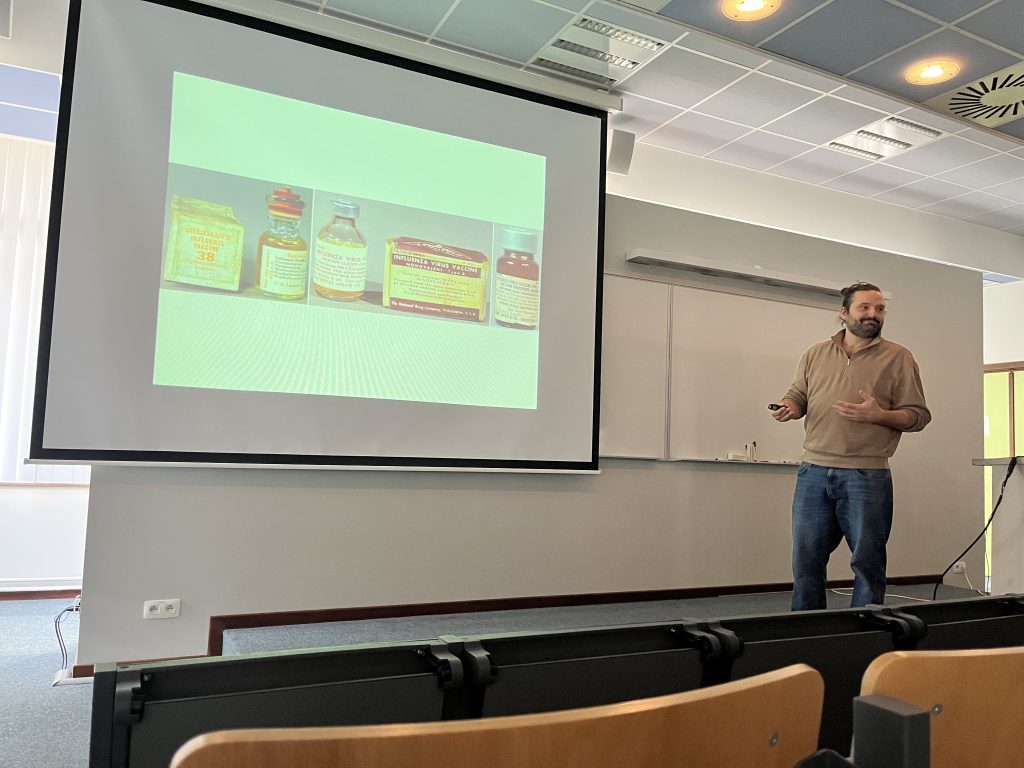
We were delighted to welcome Robb de Vries from Utrecht University (Netherlands) for a visit and seminar at our institute. His expertise in virus-glycan interactions provided fascinating insights into how viruses engage with different glycan structures.

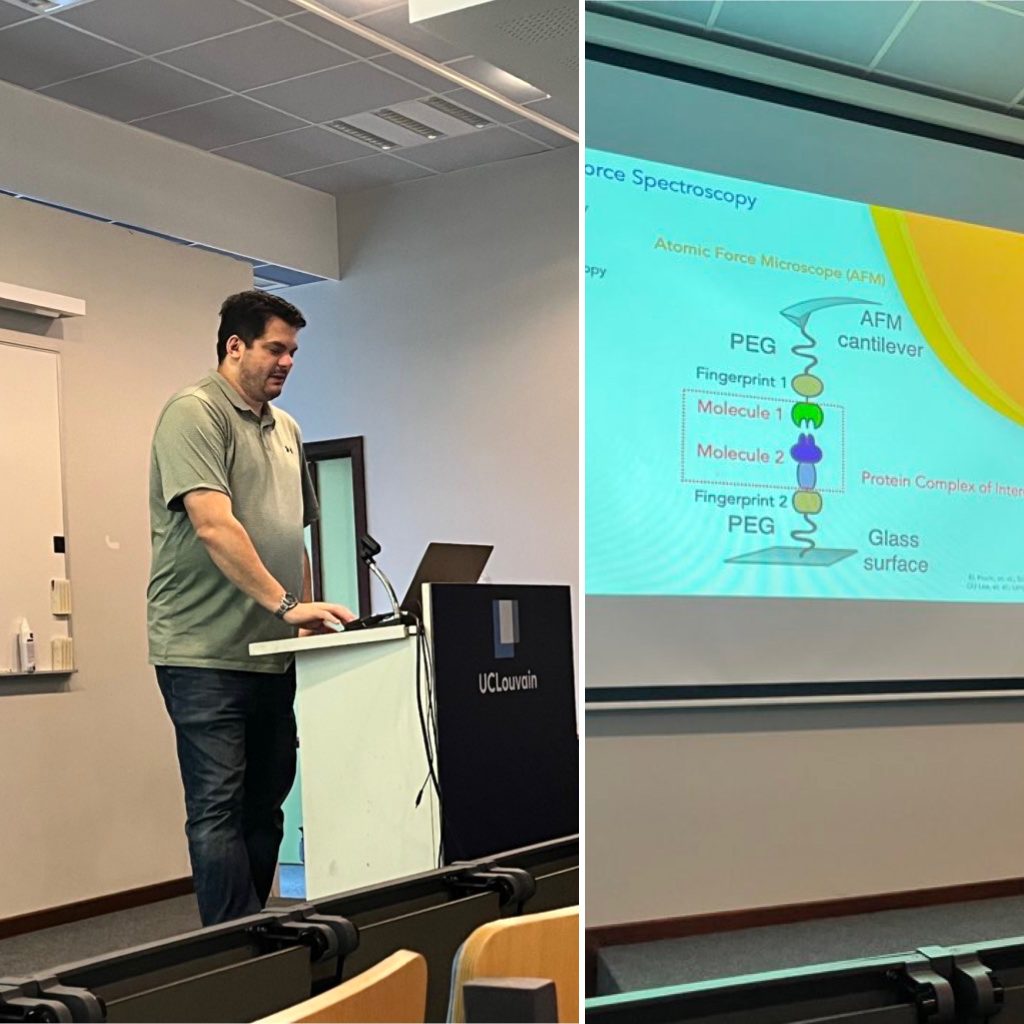
We had the pleasure of starting the year with a visit from Prof. Rafael Bernardi from Auburn University! After collaborating remotely for quite some time, it was a true privilege to finally interact in person. Prof. Bernardi delivered a memorable presentation that captivated everyone in the lab. The rest of the day was filled with enriching discussions, providing invaluable insights and inspiration for our researchers. We are deeply grateful for his visit and look forward to continuing this fruitful collaboration!

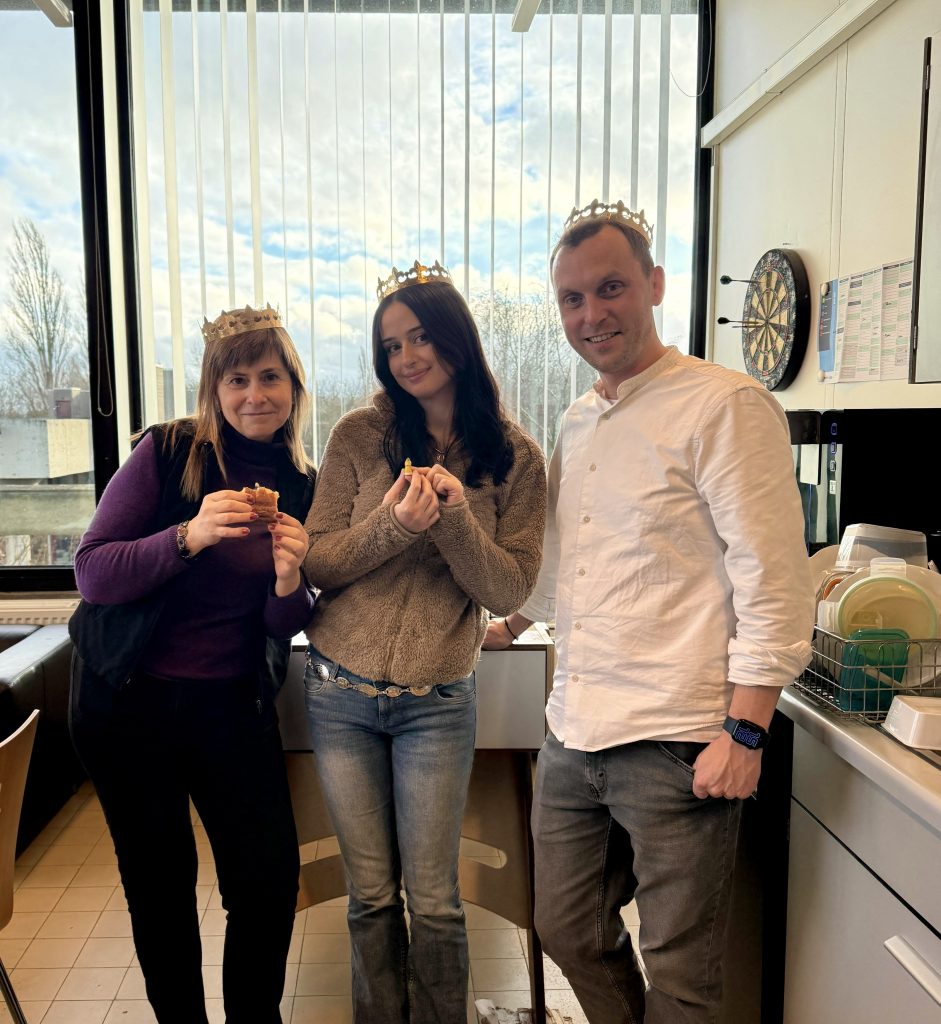
On January 6, 2025, the nBIO lab celebrated the traditional Galette des Rois with a twist of friendly competition. After much suspense and some very strategic bites, we crowned our new lab royalty: a King, a Queen, and—because one crown wasn’t enough—a Princess! Long live the Royal Family of nBIO! May their reign be filled with groundbreaking discoveries, occasional coffee breaks, and an endless supply of galettes. 🎉

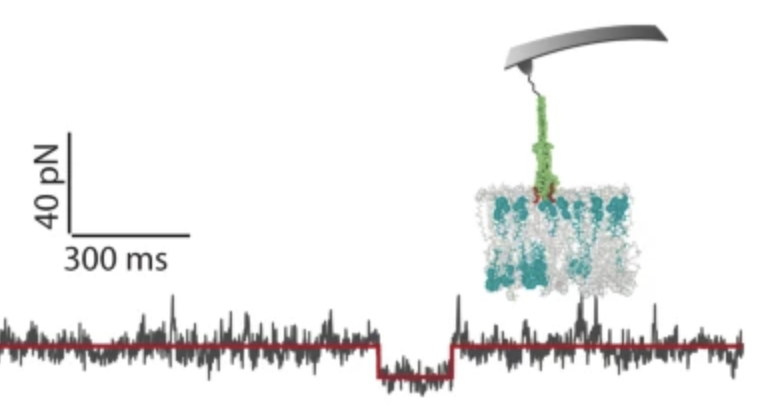
We are thrilled to announce that our latest research, titled “Probing SARS-CoV-2 membrane binding peptide via single-molecule AFM-based force spectroscopy”, has just been published in Nature Communications! You can find the full article attached here.

Congratulations to all the authors! We extend our heartfelt thanks to Prof. Rafael Bernardi (Auburn University) for his valuable collaboration and insightful contributions. This work would not have been possible without the generous support from FNRS, WELBIO, and the Excellence of Science (EoS) program.

Let’s continue pushing the boundaries of science together! 🚀

Prof. Alsteens'Lab